
Point-in-Time: Empower Your Strategy with World-Class Engagement and Census Surveys
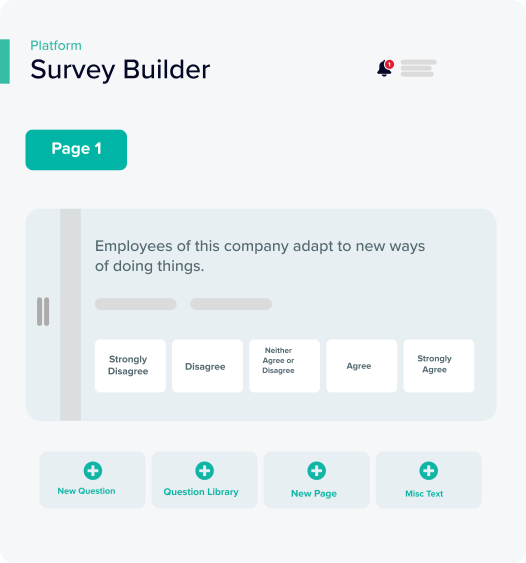
Shift HR from Tactical to Strategic: Quickly design organization-specific surveys, drawing from a library of over 250 benchmarked questions. Leverage our People Insights Model to decode key aspects of the employee experience, including engagement, diversity, equity, inclusion, and well-being.
Broad and Inclusive Distribution: Maximize participation through surveys accessible via email, SMS, QR codes, kiosks, and even traditional pen and paper. Our worldwide reach, supported by translations in over 140 languages and responsive designs, ensures every employee’s voice can be heard.
Real-Time Insights: Gain immediate insights with live dashboards and reports. Personalized manager reports pinpoint the most relevant opportunities and challenges at the team or department level, enabling swift, informed action

Lifecycle: Understand the Moments that Matter
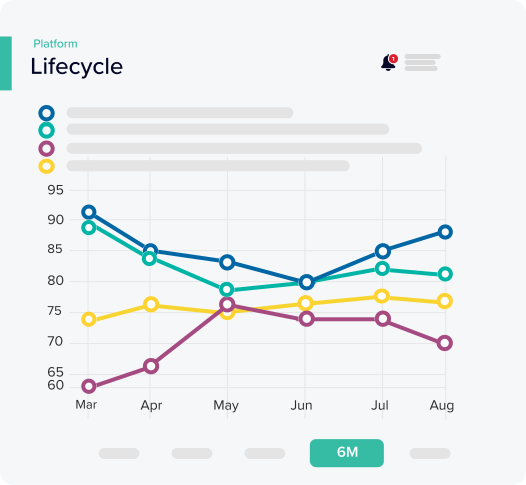
Automated and Targeted: Direct integration with your HRIS ensures surveys reach the right people at the right times, capturing feedback during pivotal moments such as promotions, organizational changes, and more.
Broad and Inclusive Distribution: By understanding early experiences, improve key outcomes like intent to stay and well-being. Predictive modeling helps you get ahead of pain points that could lead to turnover, making for a more positive employee journey.
Role-Specific Reporting: Tailored reports for different roles within your organization offer actionable insights to those responsible for each moment, allowing for immediate adjustments and long-term strategy refinement.

Employee Crowdsourcing and Voting: Engage Your Workforce in Meaningful Dialogue
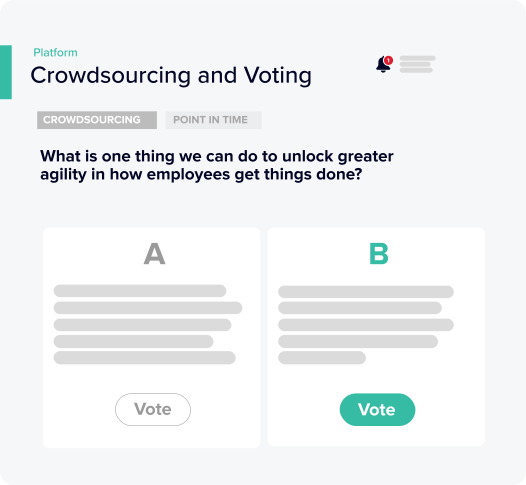
A Level Playing Field: Ensure every employee, from individual contributors to C-suite executives, has an equal voice. Our simple, engaging platform encourages widespread participation and co-defines actionable steps through anonymous voting.
Focused and Integrated: Segment crowdsourcing efforts by employee demographics to gather targeted feedback. Our crowdsourcing and voting solutions integrate seamlessly with engagement surveys, enabling a deep dive into specific areas for a more unified and effective action plan.

360 Feedback: Develop Leaders with Comprehensive Feedback
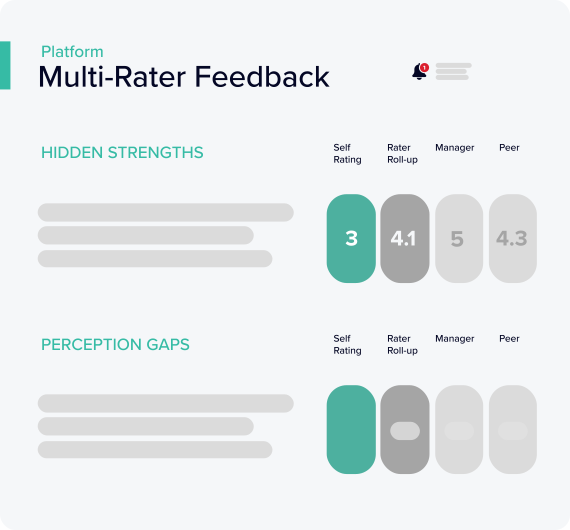
Support and Develop Every Manager: Extend coaching to all managerial levels, offering AI-powered insights based on observed behaviors and peer feedback. This approach ensures continuous leadership development, tailored to each manager’s specific needs.
Drive a Culture of Growth: Continuous, personalized: Continuous, personalized coaching supports leaders to close skill gaps and amplify strengths, fostering an environment where feedback leads to actionable improvements.
Customized for Your Needs: Whether you choose to use your own leadership competencies or the Perceptyx model, assessments are tailored to uncover essential insights, helping leaders focus on areas most impactful for their development and the organization’s success.


Engagement
Pride, Retention, Advocacy, Motivation
DEI&B
Diversity, Equity, Inclusion, Belonging
Future Vision
Clarity, Confidence, Vision, Values
Manager Relationship
Manager Effectiveness, Managing Workflow, Manager Support, Coaching
Change & Innovation
Change Management, Adaptability, Continuous Improvement, M&A
Growth & Development
Career Growth, Learning, Feedback, Fulfilment
Performance Enablement
Resources & Communication, Empowerment, Performance, Customer Orientation
Teamwork & Collaboration
Co-Workers, Collaboration, Psychological Safety, Ethics & Integrity
Recognition & Reward
Recognition, Valued, Pay, Benefits
Workplace Well-Being
Workload, Work-Life Balance, Safety, Hybrid Working